

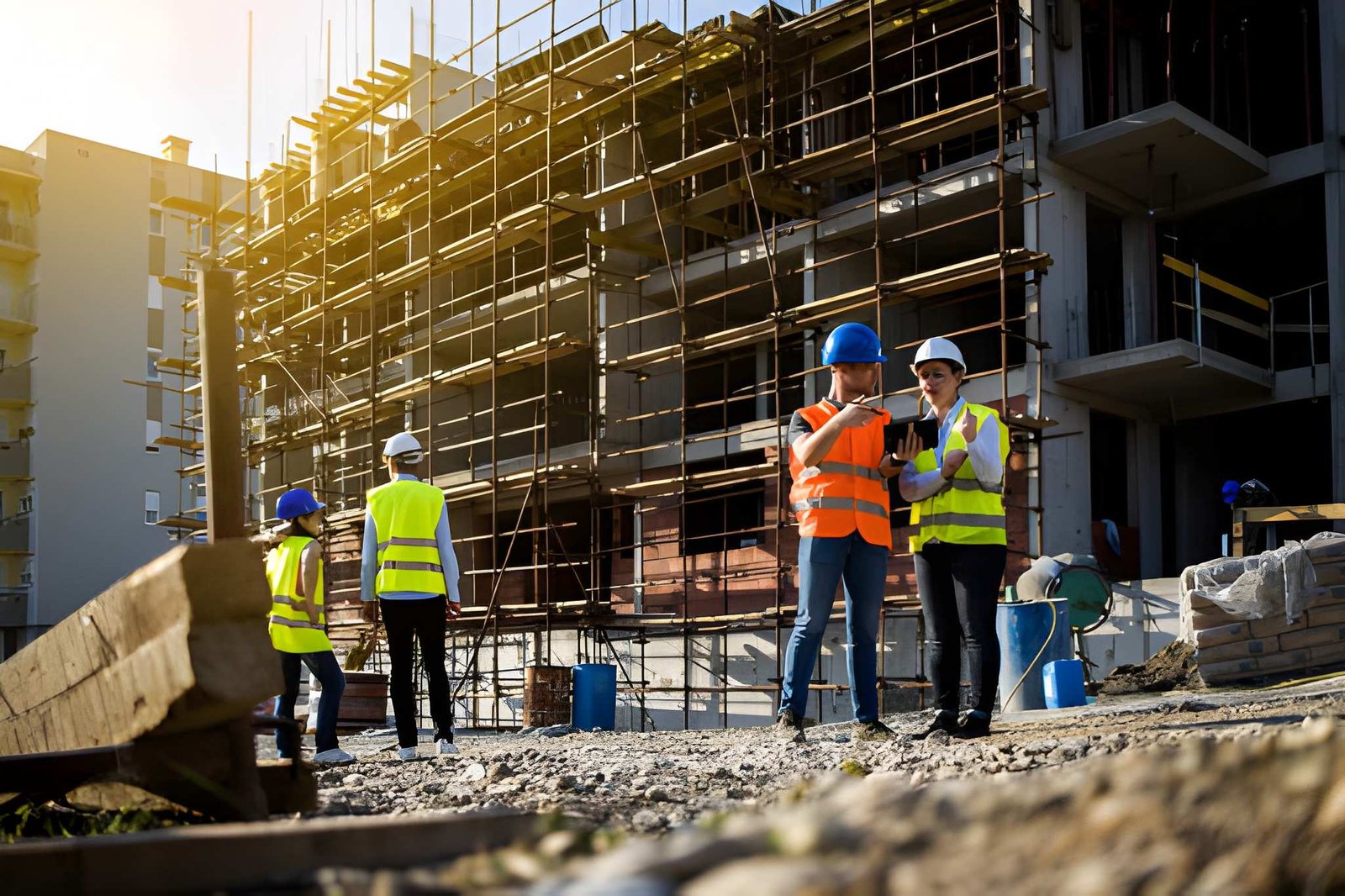
Most construction problems don’t start on site. They start much earlier, in meetings where everyone believes they understand the plan—but they don’t. Drawings are reviewed, explanations are given, and people nod in agreement. The issue is not that anyone is careless. The issue is that most people involved in a project are being asked to imagine something they’ve never seen before, using tools that assume technical training they don’t have.
Architectural drawings work well for architects and engineers because they speak that language every day. But once those drawings leave the technical team, clarity drops fast. Developers, investors, planning officers, and end clients all interpret plans differently. They fill in gaps with assumptions, and those assumptions don’t show up until construction is underway. That’s when misunderstandings turn into revisions, delays, and added cost.
This is where construction visualization and 3D animation quietly solve a problem drawings can’t. Animation removes interpretation. Instead of asking people to imagine scale, flow, or spatial relationships, it shows them. Everyone sees the same thing, understands the same thing, and reacts to the same information. That shared understanding is what prevents costly errors before they happen.
The value of 3D animation in construction isn’t about making a project look impressive. It’s about reducing risk. When people can clearly see what’s being built, decisions become faster, questions become fewer, and mistakes become rare. That clarity, more than any visual effect, is what saves money.
