

One of the most common mistakes people make when ordering architectural animation is choosing the format based on what looks good, not what needs to be decided. Flythrough and walkthrough animations serve very different purposes, yet they’re often treated as interchangeable. That’s how budgets get wasted and expectations get missed.
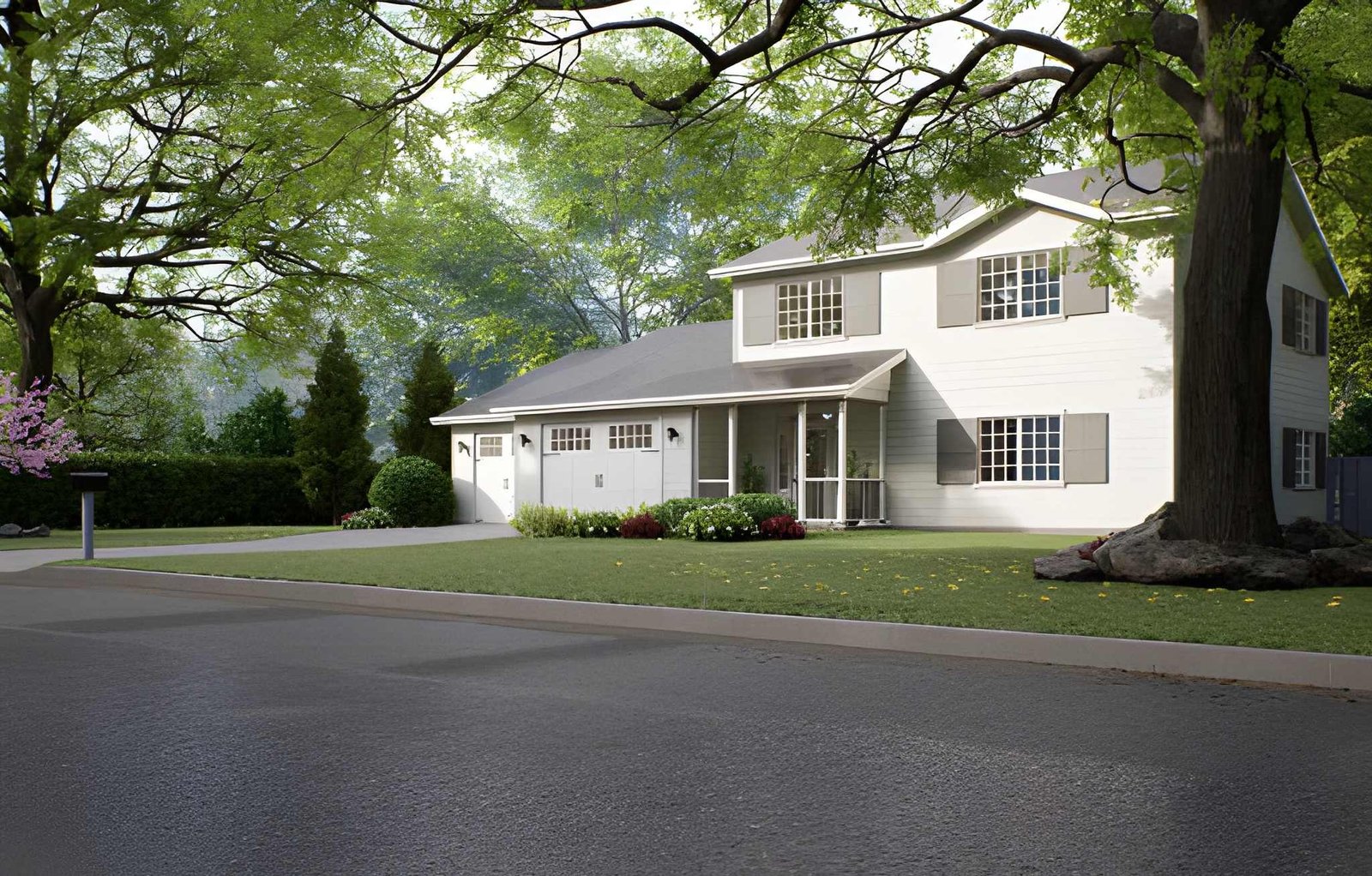
A flythrough animation is designed to give a broad overview. It works well for showing site context, exterior massing, surroundings, and how a building sits within its environment. Developers often use flythroughs for marketing, early presentations, and high-level storytelling. When the goal is to create interest or explain the overall vision, flythrough animation works well.
Walkthrough animation, on the other hand, is about experience. It shows what it feels like to move through a space. Interior flow, room relationships, ceiling heights, and sightlines become immediately clear. Walkthroughs are especially effective for approvals and decision-making because they answer the questions people don’t know how to ask when looking at drawings.
The right choice depends on the decision you’re trying to support. If you need buy-in, approval, or confidence, walkthrough animation usually delivers more value. If you need awareness or early excitement, flythrough animation often does the job. Choosing based on purpose—not preference—is what makes animation an investment instead of an expense.
